
Grand Opening
GATEWAY opens August 1, 2027!
More details to come!
GATEWAY Strength + Wellness Center
Every gift to the GATEWAY Strength + Wellness Center will directly enhance the health, wellness, and resilience of our police officers.
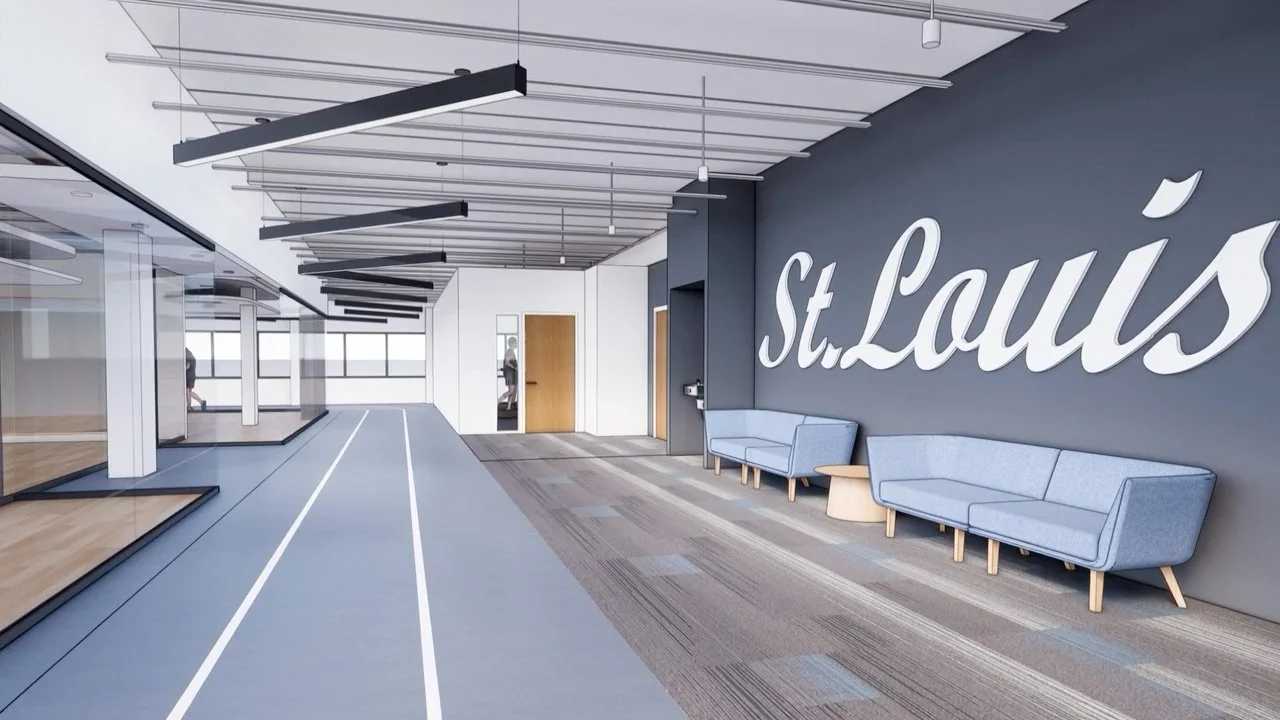
Located in St. Louis County, the GATEWAY Strength + Wellness Center will give our City and County police officers a place to call home while confronting the realities they face while serving and protecting our community.
Construction is now underway, transforming this 94,000 square foot facility into a state-of-the-art wellness center, including:
Full-size gymnasium
Space for physical therapy
Behavioral health and counseling
Fully-equipped fitness center
Areas for social gatherings
Cafe
and much more!
Officers want to feel valued. Officers want to feel like the profession that they've chosen is noble, and they want to feel like the public supports them. And something like this, a wellness center that is backed both privately and publicly, is a huge boost to officers.”
― Lt. Col. Jerry Lohr, St. Louis County Police Department
Why focus on police officer wellness?
500
Traumatic Events
The average number of traumatic events a police officer experiences in their lifetime.
Civilians experience an average of 3.
45%
Struggle with Addiction
45% of law enforcement officers struggle
with substance abuse, compared to 10%
in the general population.
50%
Higher Suicide Rate
Law enforcement officers have a 50% higher suicide
rate than the general population.
30%
Behavioral Health Conditions
The percentage of first responders who develop behavioral health conditions
including depression, anxiety and
Post-Traumatic Stress Disorder – a rate
more than double the general population.